
Renal Stone / Kidney Stone
A kidney stone is a hard deposit that forms in the urinary tract. Small stones may pass naturally, while larger or obstructing stones can cause severe pain and may require medical treatment.
किडनी स्टोन — मूत्रमार्ग में खनिजों के कण जमा होकर बनने वाले कठोर पत्थर को किडनी/रीनल स्टोन कहते हैं। छोटे पत्थर कभी-कभी अपने आप निकल जाते हैं; बड़े या रुकावट पैदा करने वाले पत्थरों में उपचार की आवश्यकता हो सकती है।
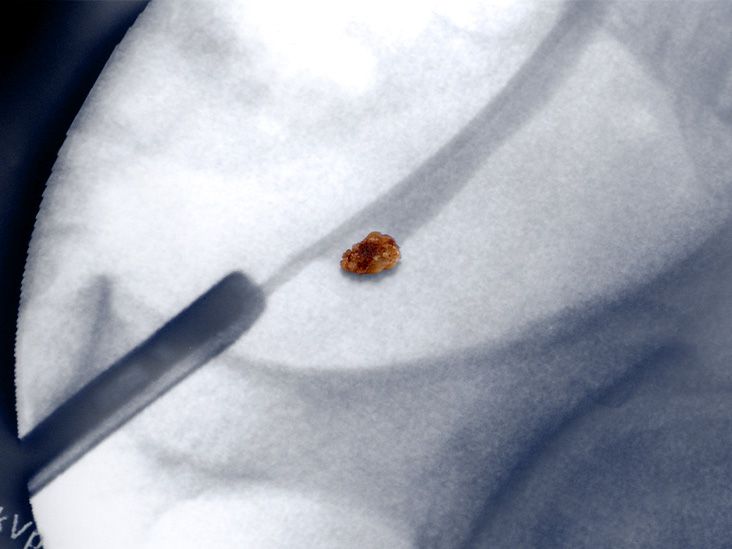
What you may notice
- Severe pain in the side or back that may move toward the groin
- Blood in the urine
- Nausea or vomiting
- Burning or frequent urination when the stone is lower in the urinary tract
लक्षणों की तीव्रता हर मरीज में अलग हो सकती है। लक्षण लगातार बने रहें तो चिकित्सकीय जांच कराना उचित है।
Why it can happen
- Low fluid intake
- High urinary concentration of stone-forming minerals
- Some dietary patterns and metabolic conditions
- Family history or previous kidney stones
कारण हर मरीज में अलग हो सकते हैं; जीवनशैली, पहले की बीमारियों और अन्य जोखिम कारकों को ध्यान में रखा जाता है।
How it is evaluated
Diagnosis may involve urine tests, blood tests and imaging such as ultrasound or CT. The size and location of the stone help determine whether observation or active treatment is appropriate.
लक्षणों और चिकित्सकीय जांच के आधार पर निदान किया जाता है। आवश्यकता के अनुसार डॉक्टर अतिरिक्त जांच या इमेजिंग की सलाह दे सकते हैं।
What treatment may involve
Treatment depends on stone size, location, symptoms and obstruction. It may include hydration advice, pain control, medicines that help selected stones pass, or procedures to remove or fragment a stone when necessary.
उपचार बीमारी की गंभीरता, कारण, जांच के निष्कर्ष और मरीज के स्वास्थ्य के अनुसार तय किया जाता है।
Do not ignore warning signs
- Fever or chills with urinary symptoms
- Severe pain with repeated vomiting
- Very little or no urine
- Known kidney disease or a suspected blocked infected urinary tract
नीचे दिए गए गंभीर लक्षण दिखाई दें तो बिना देर किए चिकित्सकीय सहायता लें।